
Cosmetic Surgery in Mumbai: What Every Patient Needs to Know
Table of Contents
When someone decides to explore “cosmetic surgery in Mumbai”, there’s often a mix of excitement and quiet worry. Will it be safe? How do I know I’m making the right choice? What are the actual risks? These aren’t signs of doubt – they’re signs of wisdom.
Safety in cosmetic surgery isn’t about fear. It’s about information, preparation, and choosing the right hands to trust with something as personal as your body.
After years of training across plastic surgery units in Mumbai, Bangalore, and Seoul, and performing over 500 microvascular reconstructions, I’ve learned that the safest surgeries aren’t just about technical skill – they’re about understanding the complete picture: your medical history, your goals, your healing capacity, and your life after surgery.
Let’s have an honest conversation about what makes cosmetic and reconstructive surgery safe, what genuine risks exist, and how to choose a cosmetic surgeon in Mumbai or anywhere who prioritises your well-being above everything else.
Why Safety Isn't Just About the Surgery
Many people believe that specific procedures are “safe,” while others are considered “risky.” The truth is more nuanced. Safety in cosmetic surgery depends less on the procedure name and more on:
- How well your surgeon understands your unique anatomy
- The quality of pre-operative assessment
- The surgeon’s training across both cosmetic and reconstructive work
- The facility’s accreditation and support systems
- Post-operative monitoring and follow-up care
Every surgical procedure carries risk. By understanding the risk, you can make better decisions.
Common risks across cosmetic procedures include:
- Infection (usually preventable with sterile techniques and antibiotics)
- Bleeding or hematoma (blood collection under the skin)
- Delayed wound healing (more common in smokers or diabetics)
- Anesthesia-related complications
- Asymmetry (though minor differences are natural)
- Scarring (varies based on skin type and healing)
- Capsular contracture (in breast implant surgeries)
- Fat necrosis (in fat grafting or specific breast procedures)
- Flap-related complications (in microsurgical reconstructions)
Here’s what matters: most complications are both predictable and preventable when managed by a board-certified plastic surgeon with proper training and expertise.
During my fellowship in breast reconstruction at Samsung Medical Centre in Seoul, we were trained to anticipate issues before they became problems.
That mindset – thinking three steps ahead – is what separates routine surgeries from excellent outcomes.
Breast Reconstruction: Where Safety Becomes Even More Critical
Breast reconstruction isn’t purely cosmetic; it’s medical, emotional, and deeply personal. For women who’ve undergone a mastectomy due to breast cancer, reconstruction is part of reclaiming their sense of self. This is where surgical expertise has a profound impact on both safety and satisfaction.
1. Your Reconstruction Must Match Your Cancer Journey
No two breast cancer stories are identical, and neither should any two reconstruction plans be. Your approach should consider:
- Whether you’ve had chemotherapy or radiation therapy
- The type of mastectomy performed
- Your vascular anatomy and tissue quality
- Your body frame and opposite breast characteristics
- Your long-term oncology follow-up requirements
Dietary Changes and Urban Food Habits
- Increased Processed Food Consumption: The convenience of ordering food online or grabbing quick meals from food courts has changed how we eat. Many processed foods contain preservatives and chemicals that can act as endocrine disruptors.
- Irregular Meal Timings: Skipping breakfast, having late lunches, and heavy dinners – common patterns among Mumbai professionals – can affect metabolism and hormone production.
- Alcohol Consumption: Social drinking has become more common in urban Indian culture. Regular alcohol consumption can affect liver function, which plays a crucial role in metabolising hormones. When the liver cannot process estrogen effectively, it can accumulate in the body.
During my MCh training at Bangalore Medical College and Victoria Hospital – one of India’s premier centres for plastic surgery training, we learned that choosing between an implant, a DIEP flap, or a PAP flap isn’t just a matter of technical preference. It’s about matching the technique to the patient’s cancer treatment timeline and tissue condition.
Radiation, for example, affects tissue elasticity and blood supply. A surgeon trained in both implant-based and microvascular free flap reconstruction can offer you options that truly fit your situation, not just the easiest solution.
2. Microsurgery Demands Precision and Experience
Free-flap breast reconstruction – techniques like DIEP (Deep Inferior Epigastric Perforator), PAP (Profunda Artery Perforator), and TUG (Transverse Upper Gracilis) flaps – involve transferring tissue from one part of your body to reconstruct the breast. This requires connecting tiny blood vessels under a microscope, a skill that takes years to master.
I’ve performed hundreds of microvascular reconstructions, including training at specialised centres such as Tata Memorial Hospital in Mumbai and Ganga Hospital in Coimbatore. What I’ve learned is that success in these surgeries depends on:
- Vessel quality assessment before surgery
- Understanding tissue perfusion (blood flow to the transferred tissue)
- Real-time flap monitoring in the critical first 72 hours
- Backup plans if complications arise
When a surgeon has diverse reconstructive experience, not just cosmetic, they bring a depth of problem-solving that makes your surgery safer.
3. Implants vs. Flaps vs. Hybrid: The Choice Must Be Personalised
There’s no “best” reconstruction technique, only the best technique for you. A safe, experienced surgeon will:
- Evaluate your chest wall tissue characteristics
- Predict how past radiation affects future healing
- Understand implant complications like capsular contracture
- Know when autologous tissue (your own tissue) is the better long-term choice
- Consider hybrid approaches when appropriate
During my training with senior cosmetic surgeons across Mumbai and my time at Medanta Hospital in Gurgaon, I learned that personalisation isn’t a luxury; it’s the foundation of safe, lasting results.
4. The First 72 Hours Are Make-or-Break
After complex breast reconstruction, especially free-flap procedures, the first three days determine long-term success. Surgeons and nurses must monitor:
- Flap colour and temperature
- Capillary refill (blood flow indicators)
- Doppler signals from the blood vessels
- Any signs of arterial or venous compromise
In the reconstructive units where I trained, these protocols weren’t optional – they were mandatory. Today, I follow those same standards because they have proven effective. Monitoring isn’t an afterthought; it’s part of the treatment.
What Safe Cosmetic Surgery Looks Like Behind the Scenes
Patients usually see the consultation room and the final result. But safety is built in the invisible hours in between.
1. Thorough Pre-Operative Evaluation
Every surgery begins long before the operating room. A comprehensive assessment includes:
- Complete medical history
- Current medications and supplements
- Blood work (diabetes screening, thyroid function, haemoglobin)
- Evaluation of skin quality and elasticity
- Vascular mapping (for flap-based reconstructions)
- Previous surgeries and scars
- Psychological readiness and realistic expectations
During my general surgery training at Sir H.N. Hospital in Mumbai, we learned that patient selection is half the surgery. Choose the right patient for the proper procedure, and the surgery itself becomes smoother.
2. Technique Selection Based on Training and Experience
A cosmetic surgeon in Mumbai, or anywhere, should offer you multiple solutions, not just one. This requires training across different specialities.
My training path included:
- MCh in Plastic Surgery from Bangalore Medical College
- Fellowship in Microvascular Free Flap & Breast Reconstruction at Samsung Medical Centre, Seoul
- Hand surgery and extremity trauma training at Ganga Hospital
- Cosmetic surgery refinement under senior surgeons in Mumbai and at Medanta, Gurgaon
This breadth of training enables me to combine reconstructive principles with aesthetic sensibility. It’s not about doing the most popular procedure – it’s about doing the correct procedure for your unique anatomy and goals.
3. Accredited Facilities Only
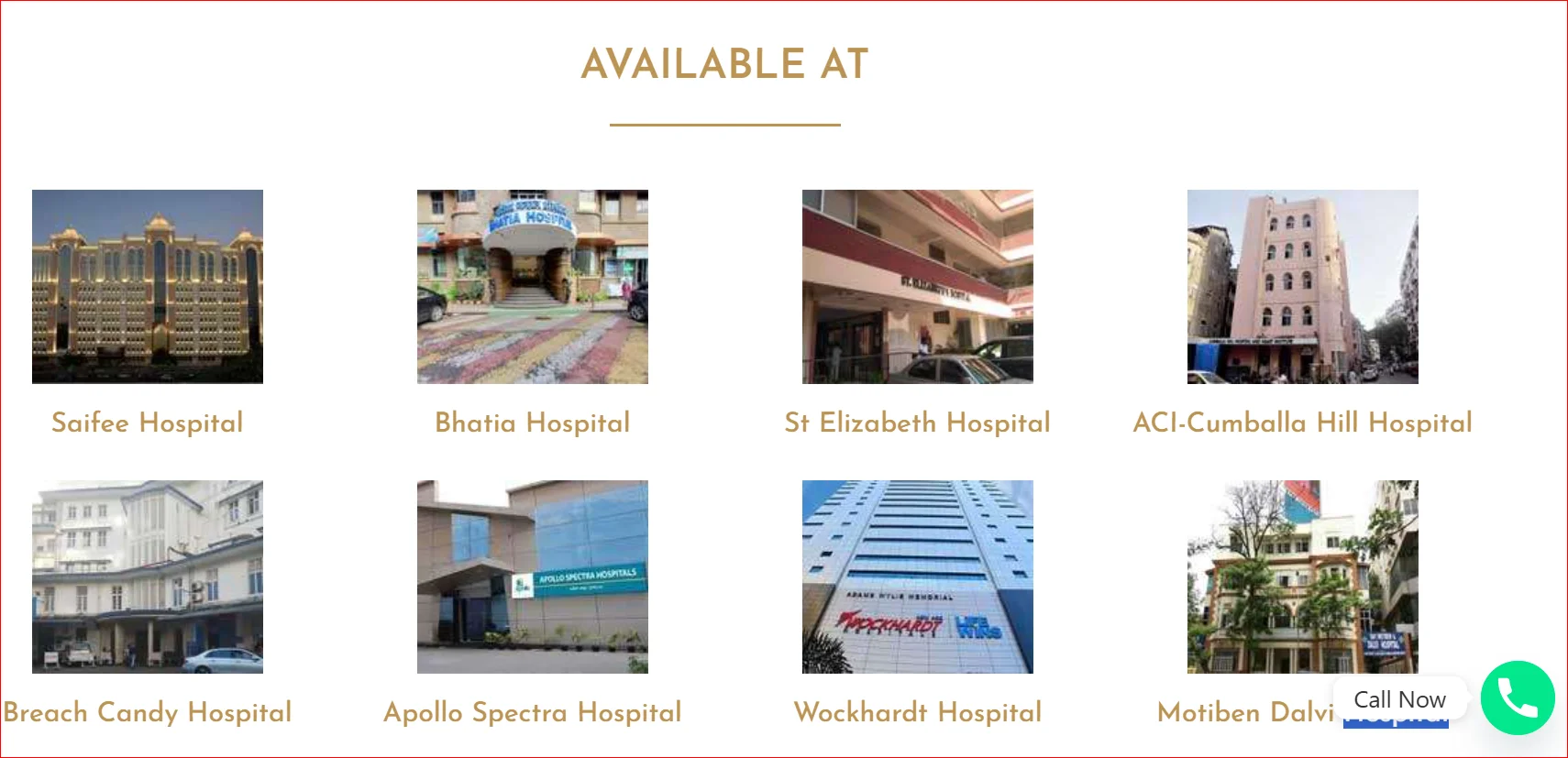
I operate exclusively at accredited hospitals in South Mumbai, including Saifee Hospital, Breach Candy Hospital, Bhatia Hospital, Cumballa Hill Hospital, and Asian Cancer Institute. These facilities have:
- NABH or equivalent accreditation
- Trained anaesthesia teams
- Fully equipped operating rooms
- ICU support for complex cases
- Flap monitoring protocols
These aren’t luxuries. They’re safety standards that should never be compromised.
4. Structured Follow-Up Care
Safe outcomes don’t end when you leave the recovery room. Post-operative care includes:
- Regular wound checks
- Flap circulation assessment (for reconstructions)
- Scar management guidance
- Monitoring for infection or seroma
- Long-term symmetry evaluation (especially in breast patients)
My reconstructive training emphasised that follow-up isn’t optional – it’s where you catch minor issues before they become big problems.
How to Choose a Safe, Qualified Cosmetic Surgeon in Mumbai
You don’t need to be a medical expert to identify a good surgeon. You just need a framework.
✅ Verify Board Certification
Ensure they’re a board-certified plastic surgeon with MCh or DNB in Plastic Surgery. This means years of dedicated training, not just weekend courses.
✅ Look for Reconstructive Experience
Ask whether they handle:
- Microvascular free flap surgery
- Post-cancer breast reconstruction
- Trauma and hand reconstruction
- Oncoplastic surgery
Surgeons with reconstructive backgrounds bring problem-solving skills that purely cosmetic-trained surgeons may lack.
✅ Evaluate Their Training Background
Where did they train? Did they complete fellowships abroad or at premier institutions? Training at places like Samsung Medical Centre, Tata Memorial Hospital, or top medical colleges indicates exposure to high-volume, complex cases.
✅ Notice How They Discuss Risks
Good surgeons discuss risks openly because they know how to manage them effectively. If someone downplays complications or makes unrealistic promises, walk away.
✅ Review Before-and-After Results
Look for:
- Natural-looking outcomes
- Symmetry and proportion
- Results across different body types
Consistency across many patients matters more than one dramatic transformation.
✅ Check Their Operating Facilities
Ask where they operate. Accredited hospitals reflect a surgeon’s commitment to safety and quality.
✅ Assess Their Communication Style
Do they listen? Do they understand your concerns? Do they take time to explain options? Surgery is a partnership – choose someone who respects that.
Your Role in Ensuring a Safe Outcome
You’re not a passive participant; you’re part of the safety process.
Be honest about:
- All medications and supplements
- Smoking habits (even occasional)
- Diabetes, thyroid issues, or other conditions
- Previous surgeries and reactions to anaesthesia
Follow your pre-operative instructions:
- Stop blood-thinning medications when advised
- Avoid smoking for at least 4 weeks before and after
- Arrange proper post-operative support at home
Attend all follow-up appointments – even when you feel fine. Early detection of minor issues prevents major complications.
Final Thoughts: Safety and Transformation Go Hand-in-Hand
Cosmetic and reconstructive surgery can be life-changing, physically, emotionally, and psychologically. But transformation should never come at the cost of safety.
When your surgeon brings rigorous academic training, real reconstructive experience, and a patient-first approach, the entire process becomes clearer, calmer, and significantly safer.
If you’re considering breast reconstruction, facial rejuvenation, or body contouring procedures, take your time. Ask questions. Look for expertise that feels steady and grounded, not sales-driven.
The best outcomes happen when scientific planning meets skilled hands – and when the process respects your anatomy, your goals, and your healing journey.